
Community Voices: Risks of Copper-Nickel Sulfide Mining Are Not Acceptable Anywhere – No waters in Minnesota should be considered sacrifice zones.
Governor Walz choosing to protect the Boundary Waters was bittersweet. It was sweet to hear that the state is moving towards protecting the waters that connect so many to wilderness. But it was also bitter. In protecting the Boundary Waters, the state acknowledged that copper-nickel sulfide mining is too big a threat to even consider in one portion of our state.
Yet the fact that the order could have included other areas under threat, but didn’t, hit hard, especially for Native and local communities who bear the greatest risks from this new type of mining here in our region.
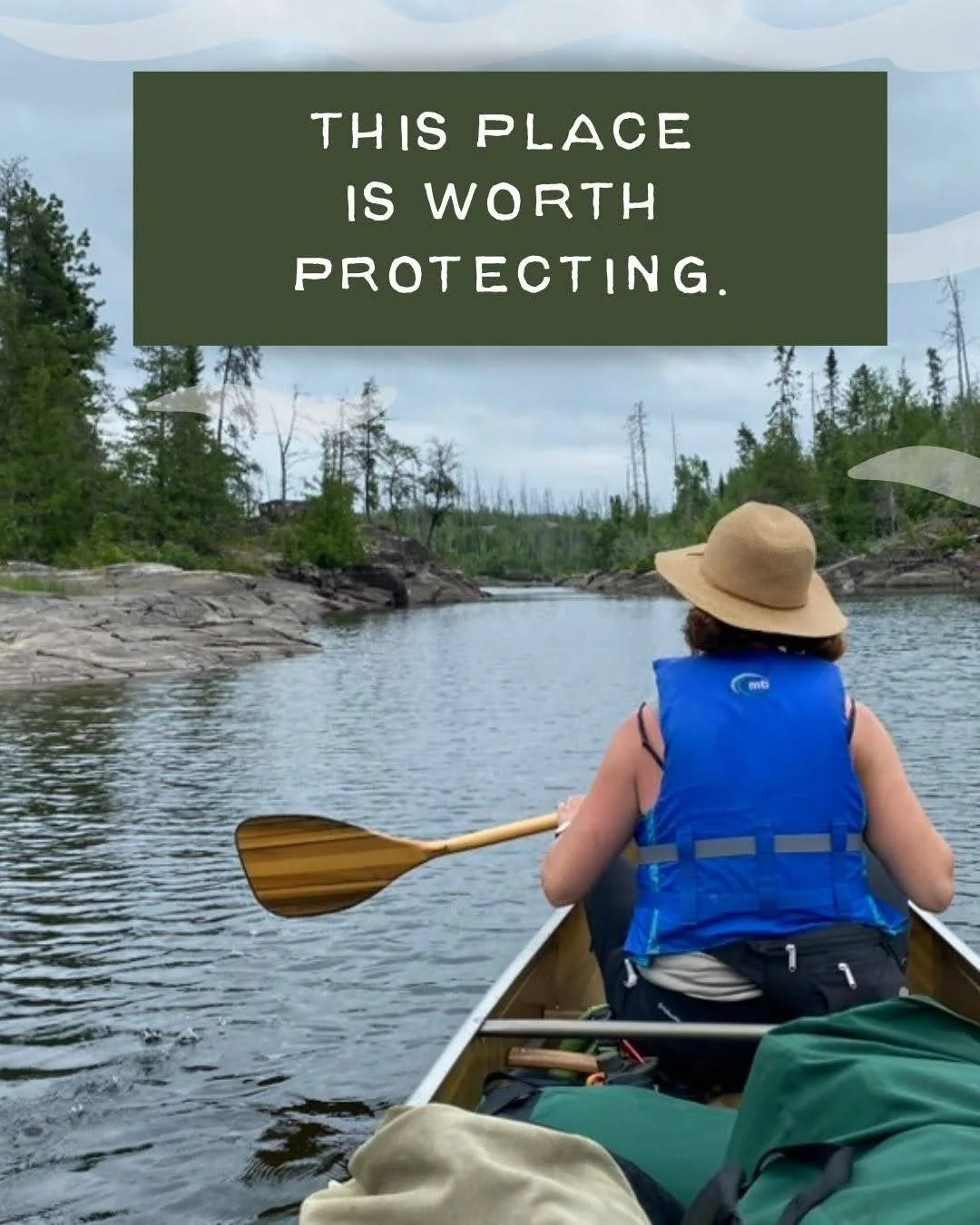
The Boundary Waters are worth protecting; this is important. They are part of Anishinaabeg treaty territory, a tourism hotspot, and a national treasure; so of course, I am grateful to Walz for standing up for our state and shared waters.
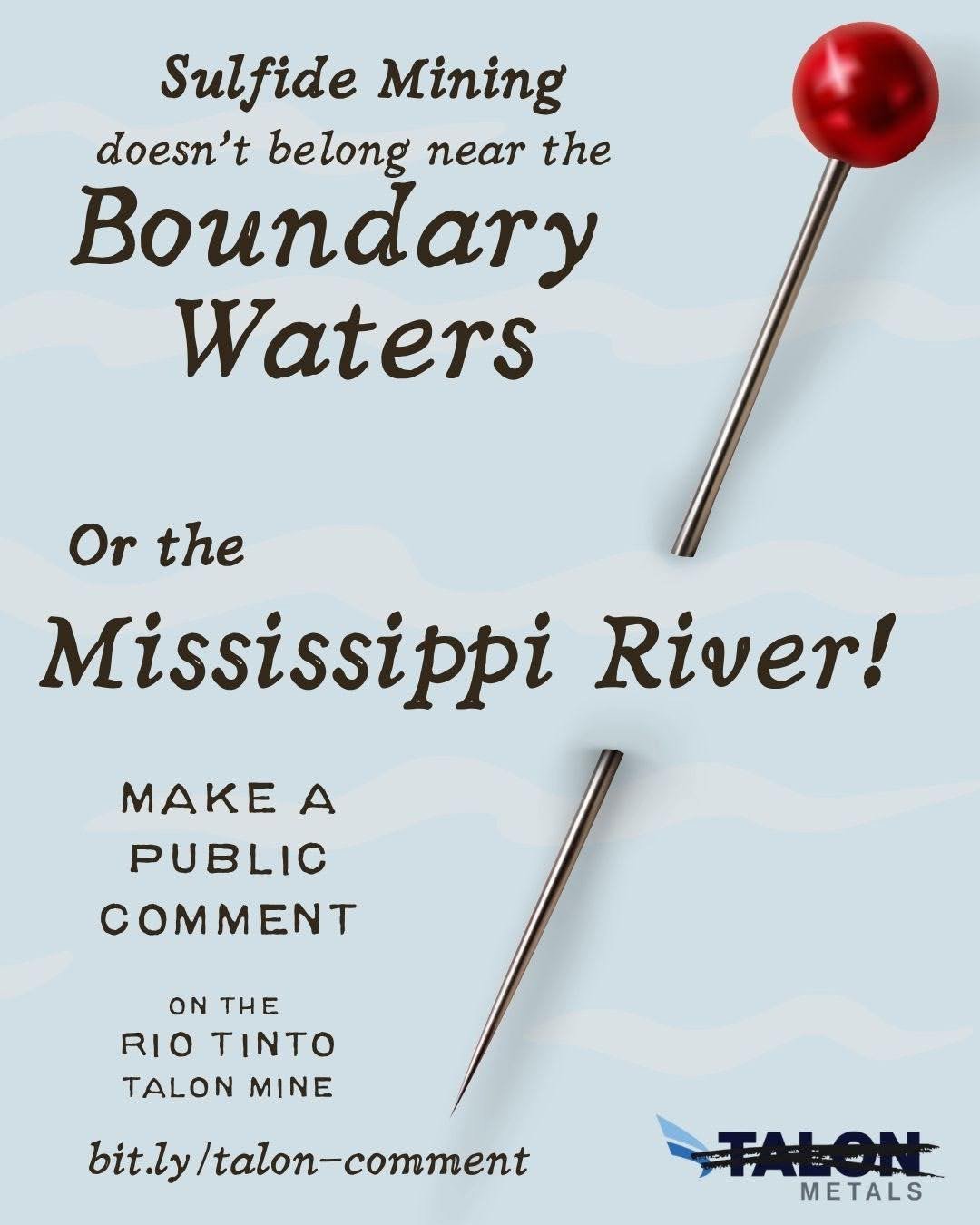
Yet the proposed Rio Tinto-Talon mine is steps ahead of Twin Metals, is located in the wettest place a mine like this has ever been proposed, and is located directly in the Mississippi River Watershed. The PolyMet project, now known as New Range, is back on the table and threatens the St. Louis River, which flows right into Lake Superior. The Mississippi provides drinking water to millions of people downstream, and Lake Superior holds ten percent of the world’s freshwater. If copper-nickel sulfide mining is too dangerous in one place, why can’t we recognize that it’s too dangerous anywhere in our water-rich environment? With this order, the Governor and Minnesota DNR are saying we will protect one place, but the others can be sacrificed for the profits of International mining corporations.
To the people who say that Minnesota can pursue copper-nickel mining in areas where risks are “acceptable,” you need to ask yourself: what qualifies these other areas as acceptable? Is it because they are poor communities, where our representatives all parrot mining company talking points? Or because they are right next to Native reservations? Is it because people with brown skin live next to these proposed mines? This screams environmental racism, and the state of Minnesota is enabling it.
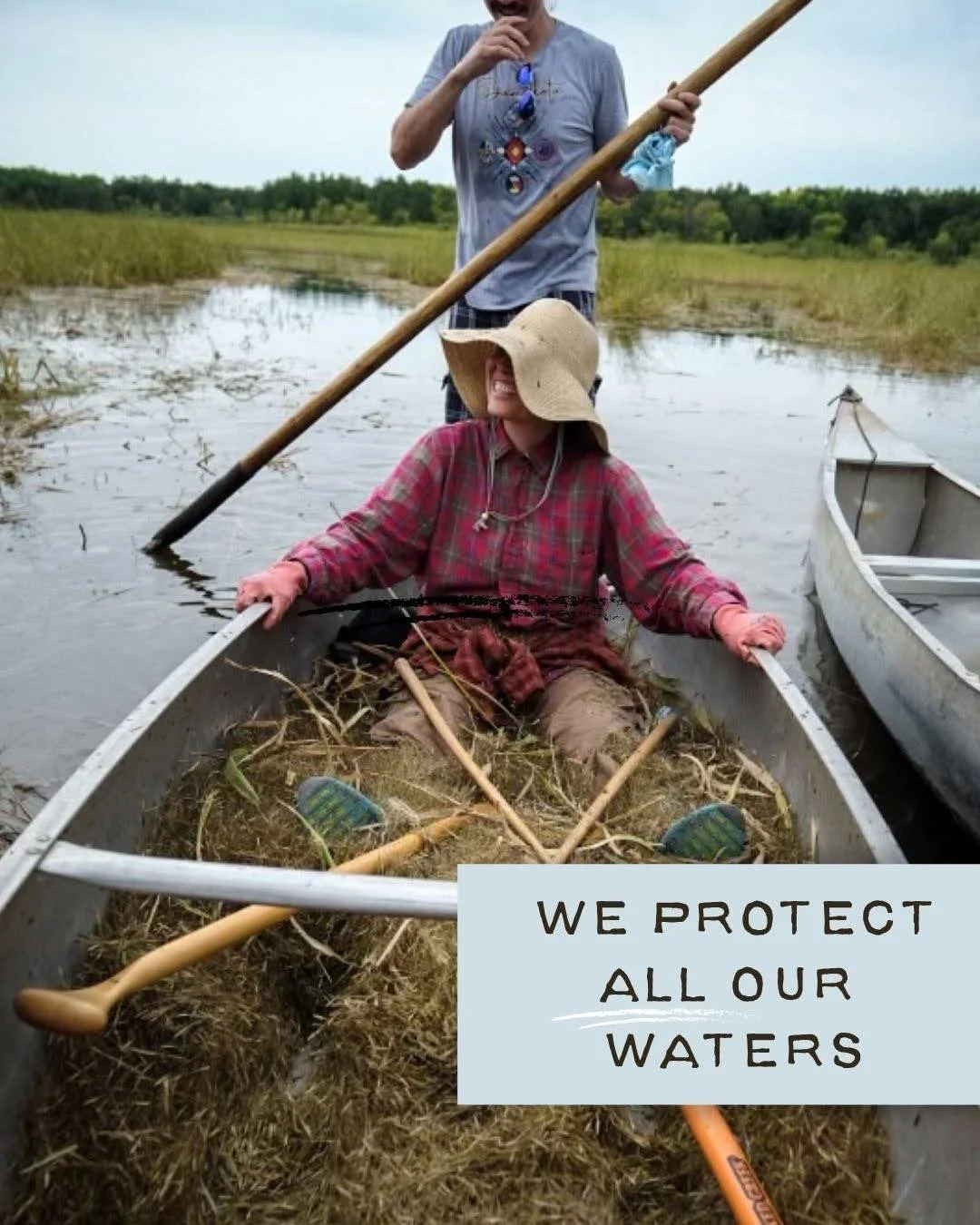
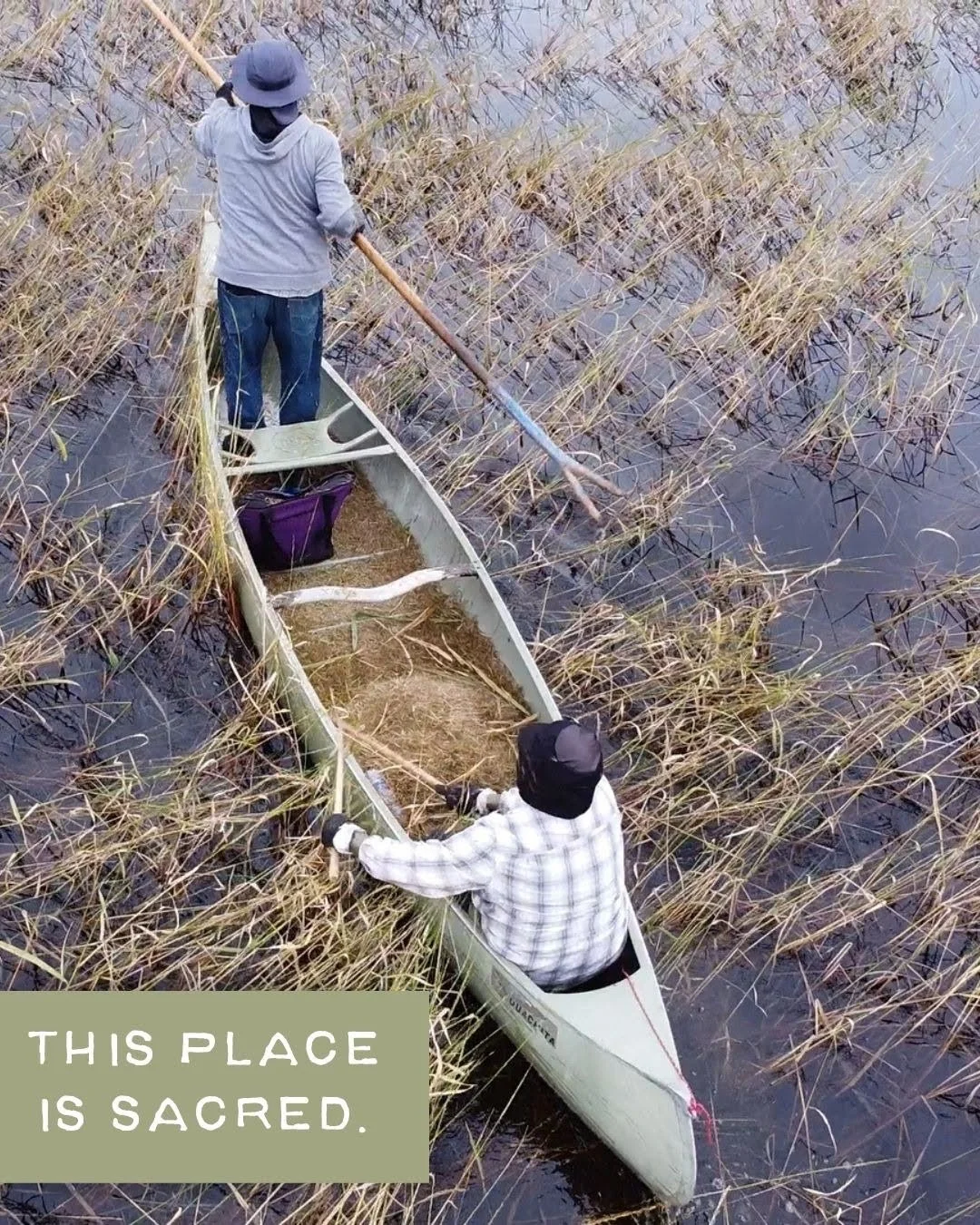
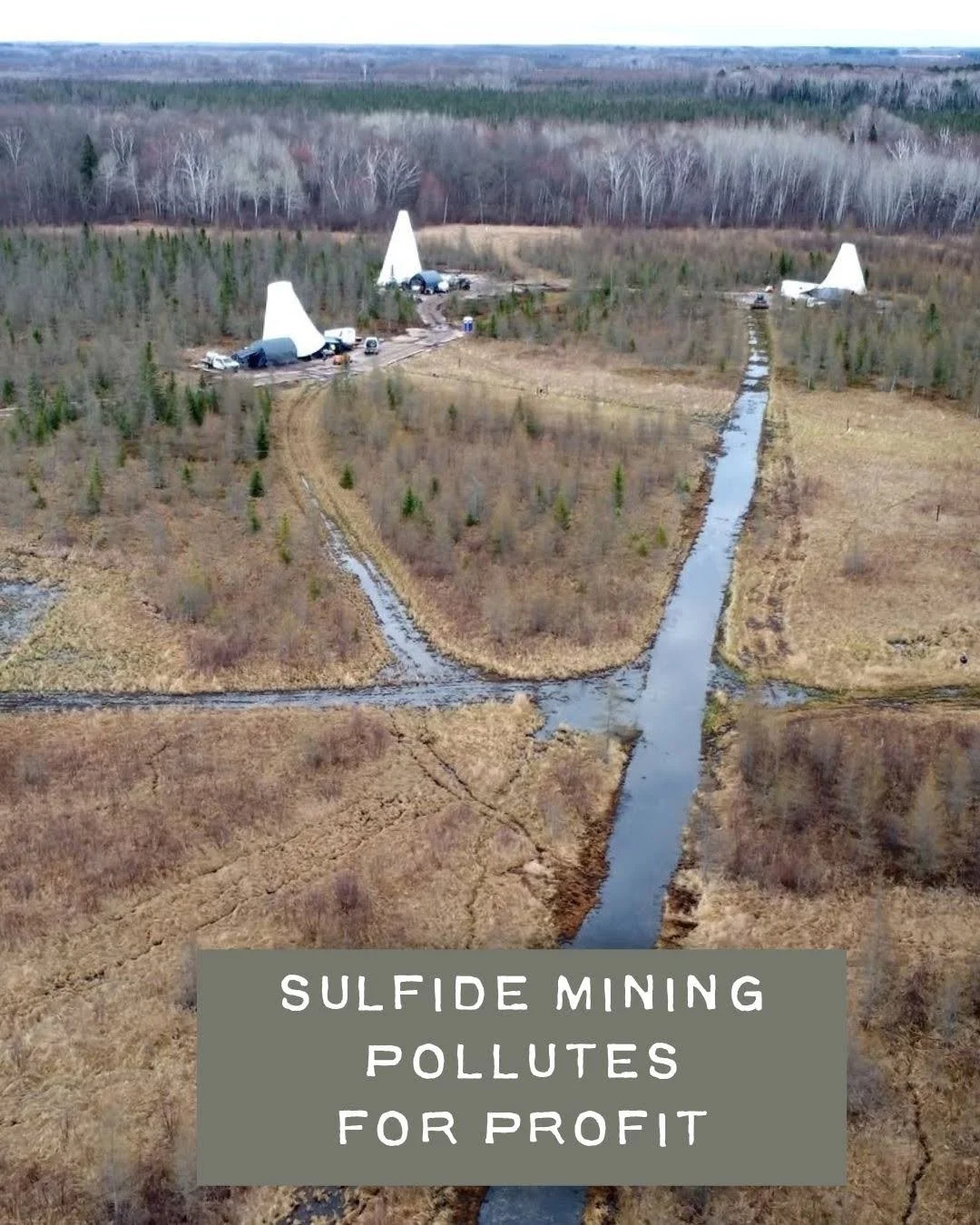
The proposed Talon mine is only 1.3 miles away from Anshinaabeg homes, and is in an area that holds some of the best wild rice beds in the world. It is also home to wetlands and globally-rare peat bogs that filter water and store carbon. The areas under threat from copper-nickel mining are the forever homes of the Anishinaabeg and they are not “acceptable risks”!
All of our shared waters deserve protections from copper-nickel sulfide mining, and from the dangers posed by water-hungry hyper-scale data centers. Governor Walz has an opportunity to leave behind a beautiful legacy that shows he stands with all of our communities all across the state who are fighting hard for our waters. I hope that in his time left in office he does just that. This one executive order is a good first step, but there is much more work that needs to be done.
~ Shanai Matteson & Johnny Barber | Aitkin County, Minnesota