
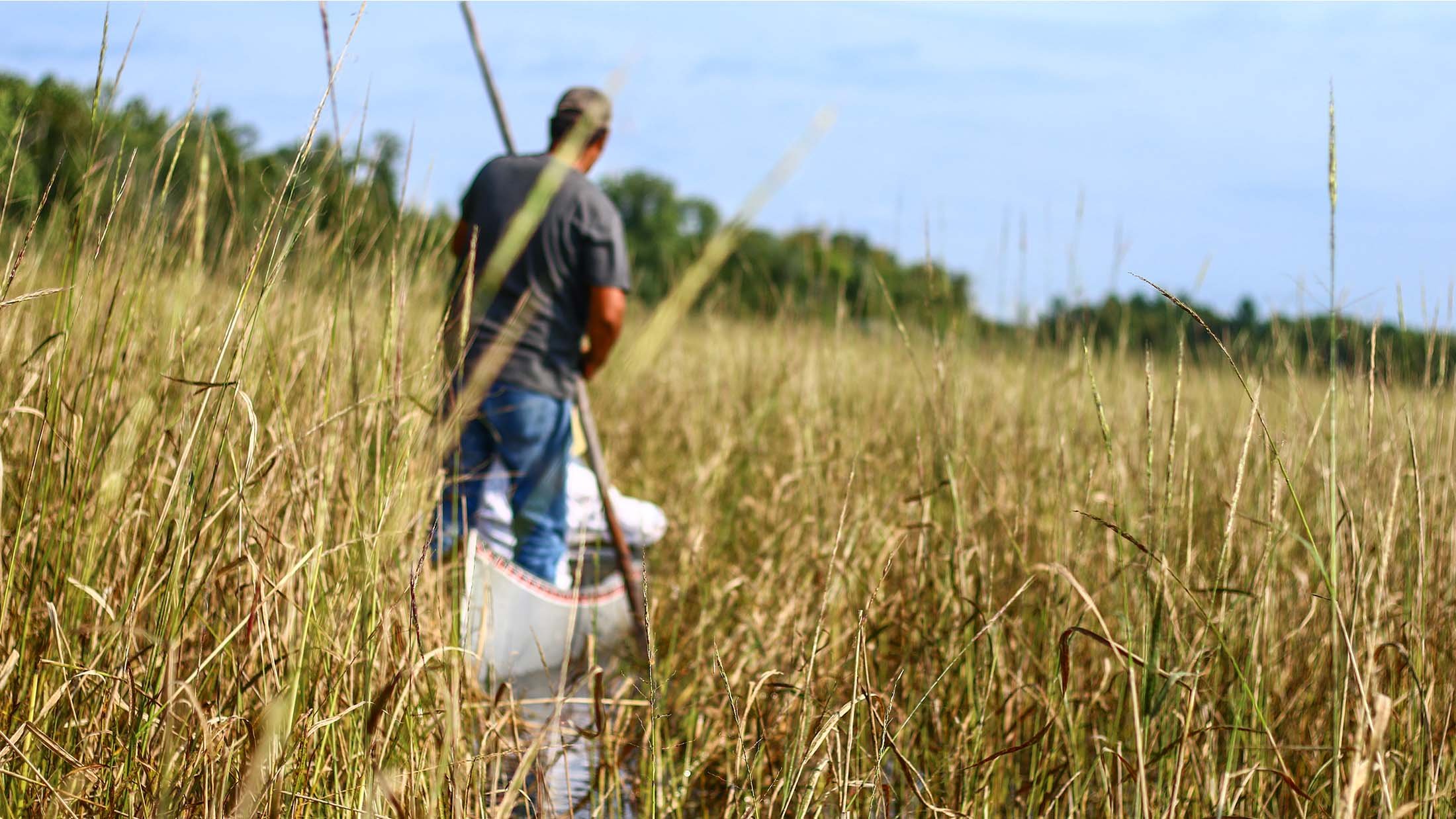

Recognizing the Inherent Rights of Manoomin/Psíŋ (Wild Rice)
Protecting Manoomin/Psíŋ & Clean Water via Legislative Action in Minnesota
What is wild rice and why is it important?
Known as manoomin to the Anishinaabeg and psíŋ to the Lakota and Dakota, wild rice is crucial to the health of people and ecosystems in Minnesota. Importantly, manoomin/psíŋ is central to Anishinaabeg and Dakota spirituality, culture, nutrition, and economy. As the state grain of Minnesota, wild rice is also core to the Minnesota economy and environment, not just because it’s an incredibly delicious source of nutrition that requires no fertilizers to grow, but also because it is so central to Minnesota’s biodiversity – more than 17 species of wildlife listed by the Minnesota Department of Natural Resources as “species of greatest conservation need” use wild rice lakes as habitat for reproduction or foraging.
Now is the time to protect manoomin/psíŋ. According to the Governor’s Wild Rice Task Force, historical data show the abundance of wild rice has decreased in Minnesota and is no longer abundant in southern Minnesota. Manoomin/psíŋ faces many threats from climate change, invasive species, pollution, and genetically engineered organisms. Particularly, sulfate byproducts from current and proposed sulfide-ore mines like Polymet and Talon can leach into the fresh waters in which wild rice grows, not just negatively impacting the rice itself, but also the plant and animal life that depend on this grain – including us!
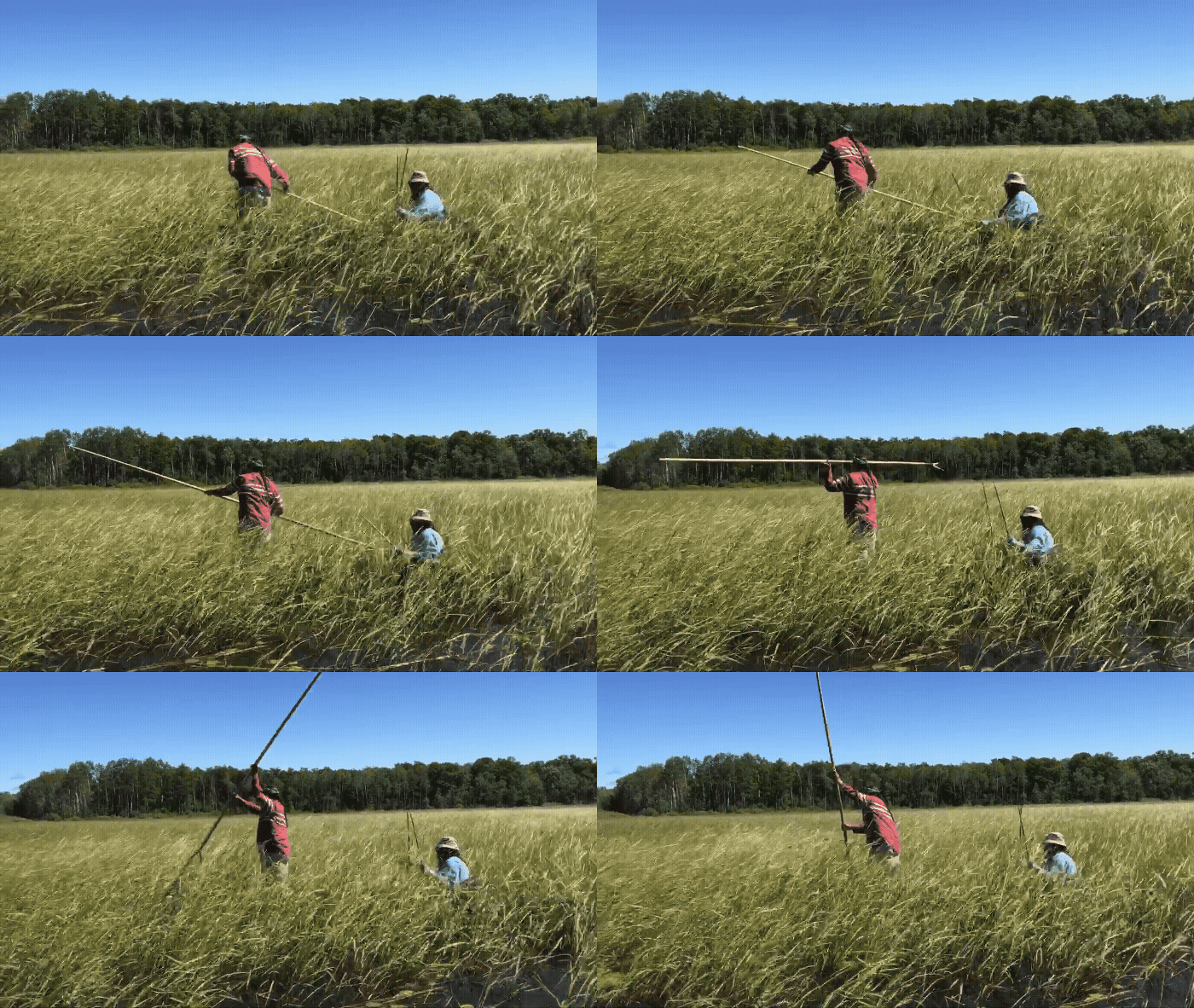
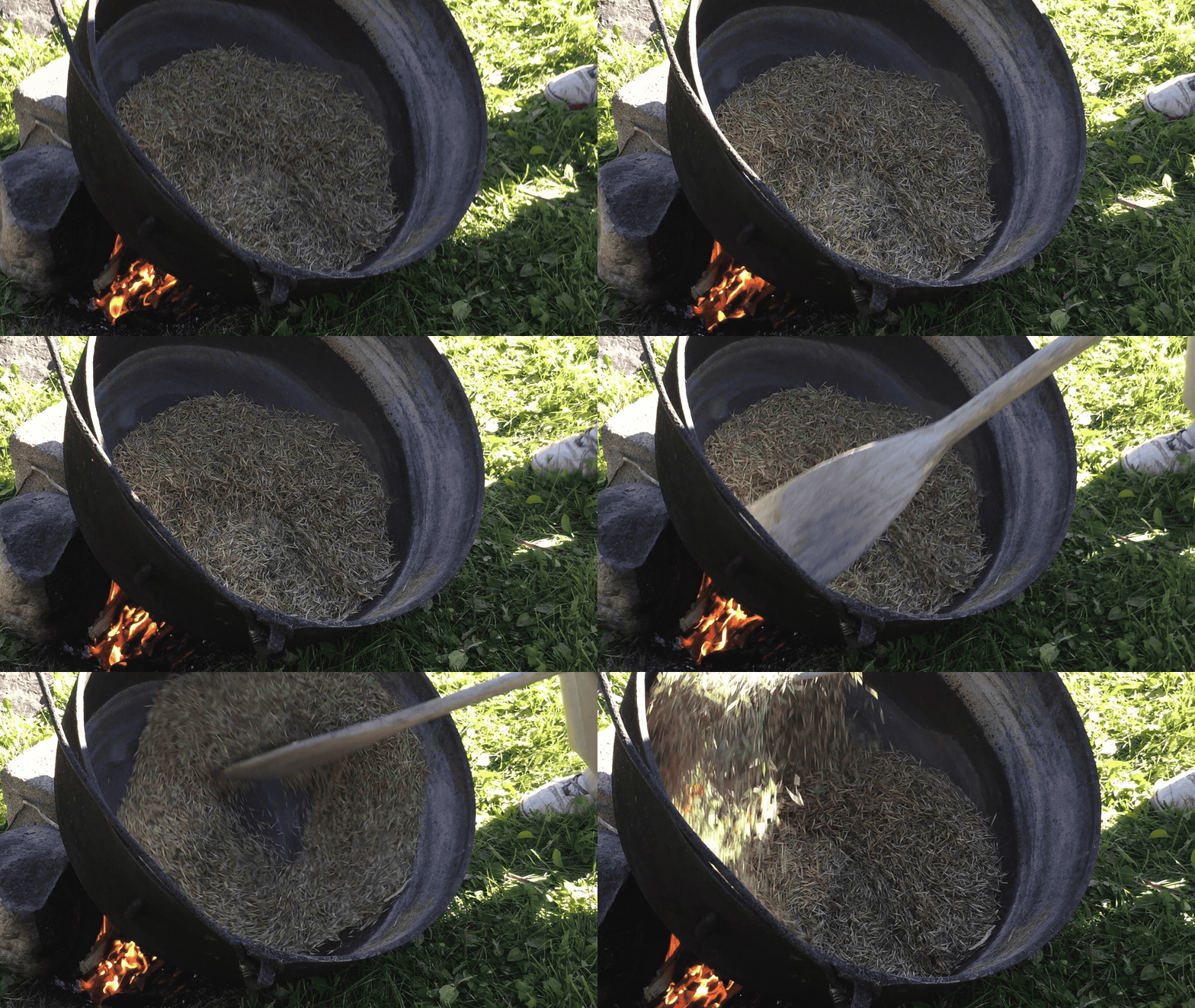
Join the statewide effort to protect Manoomin/Psin during this year’s legislative session! We need everyone to be part of this effort ~ click below and fill out the form in our community organizing hub. As this project evolves you’ll be the first to get updates, invites to collaborate, ways to advocate, and educational opportunities to learn more about Manoomin/Psíŋ and its critical role in clean water and healthy ecosystems.
Legislative Action to Protect Manoomin/Psíŋ in Minnesota

Protect Our Waterways and the homelands of our Manoomin/Psíŋ from Harmful Pesticides.
2026 Support SF 3915 | HF 3898
Protect Minnesota’s Manoomin/Psíŋ from Recreational Boating Damage.
2026 Support SF 3748 | HF 3896
CLICK HERE TO DOWNLOAD OUR FACTSHEET
SF 3915 | HF 3898 + SF 3748 | HF 3896
Active Legislation in Minnesota’s 2025-2026 Session to Protect Manoomin/Psíŋ (Wild Rice)
[ SF 3749 | HF 3899 ] Updates Minnesota’s “State Grain” Language to include psíŋ in addition to manoomin and a recognition of the Inherent Right of Manoomin/Psíŋ (Wild Rice) to Exist & Thrive in Minnesota.
[ SF 3748 | HF 3896 ] Encourages responsible boating practices by restricting motorized watercraft operation through natural stands of uncultivated wild rice, implementing no-wake zones near wild rice beds, and adding educational signage for wild rice waters.
[ SF 3916 | HF 3897 ] Requires a “Risk Justification” to be conducted for projects that could damage Wild Rice waters.
[ SF 3915| HF 3898 ] Bans the application of pesticides in and near Wild Rice waters.
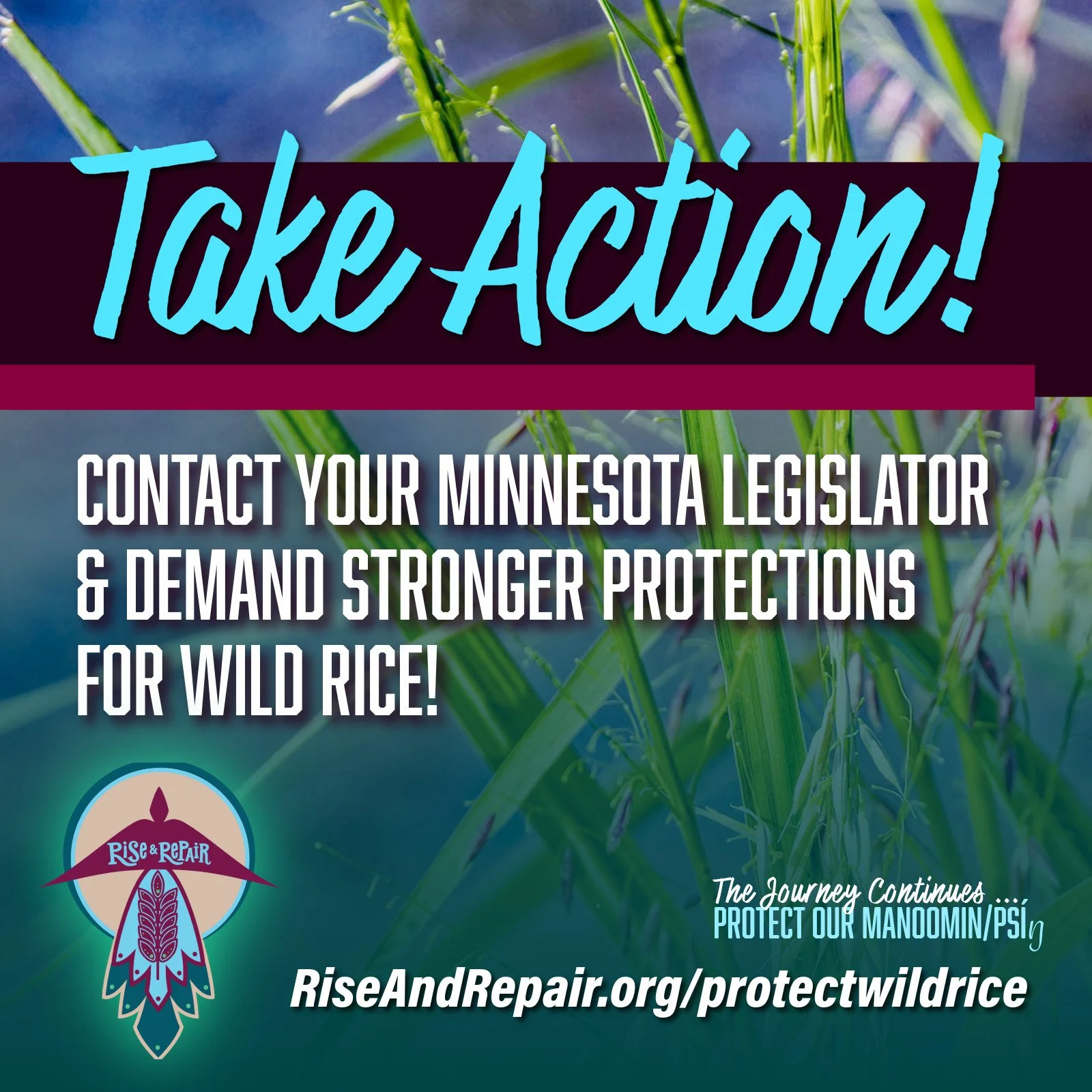
For Individuals ~ Take Action!
Contact your legislators and ask them to support increased protections for Wild Rice.
For Businesses, Organizations & Community Groups
Does your group support the need to protect the natural stands of uncultivated wild rice? Add your name to our organizational sign-on letter!
Recognizing Inherent Rights: Protecting Manoomin/Psíŋ Through Assessments and Access Restrictions
Recognition of Manoomin's inherent right to exist and thrive is not the same as personhood. Corporations have rights like people in Minnesota. We are not asking to do that! We are asking the state to understand, recognize, and affirm that wild rice has the right to exist and thrive as a central part of our ecosystems and food sovereignty within the state.
Recognition of the
Inherent Right of Wild Rice:
-
If an activity or proposal could harm wild rice, it should not move forward. This should already be the standard, considering that wild rice grows throughout the treaty territories and is a treaty-protected food. Yet this has not been the case. Minnesota agencies have repeatedly permitted projects and polluters that have damaged wild rice and the waters it depends on. The treaties and wild rice must come first. They are the supreme law of the land, recognized and protected under United States law.
Yet, in practice, this is not how decisions are being made. In Minnesota, state actions too often prioritize corporate profit and pollution over the health of wild rice and the treaty-reserved rights of the First Nations who have lived in relationship with these waters since time immemorial. This must change.
-
Protecting wild rice is not only a matter of honoring treaty obligations—it is essential for the well-being of our people, our ecosystems, and all the beings that depend on clean waters across Minnesota.
The ceded territories of Minnesota hold a significant portion of the world’s freshwater, and we know, both through science and through our own teachings, that water is the foundation of all life. Protecting wild rice means protecting life itself.
This importance is reflected in the treaties themselves. The ceded territories are places our ancestors sought to protect so future generations could continue to hunt, fish, gather, and maintain a living relationship with the lands around them. These rights still exist today. They were not granted by the U.S. government—they are inherent rights that First Nations reserved to ensure our people could continue to survive and thrive.
First Nations of this land have inherited these rights, and they are safeguarded by the treaties, which the United States recognizes as the “supreme law of the land” under Article VI of the Constitution. The Supreme Court affirmed that the Ojibwe retained their usufructuary rights (the right to use the land's resources) under the 1837 Treaty and that subsequent treaties or Minnesota's admission as a state did not terminate these rights. These rights remain central to our lifeways. Each fall, our people still go out for the manoomin harvest; you can see canoes lined up along the shorelines of the treaty territories every morning, just as our ancestors intended.
-
It also serves as a powerful biological indicator of ecosystem health. Many have called it the “canary in the coal mine,” because when wild rice begins to decline, it signals that our waters are no longer healthy enough to sustain life.
Wild rice is a living being and a relative to the Tribal Nations of Minnesota, cared for and honored as such. Within Indigenous communities, we understand that the beings we share this Earth with bring us life, and without them, human beings would not be here. We show these beings respect and gratitude because they sustain our lives. For the Anishinaabeg, wild rice is more than food; it is a reflection of identity and a central part of our cultural traditions and lifeways.
This is not about granting personhood. It is about incorporating the Anishinaabe cultural teaching of respect and reciprocity for manoomin and water into Minnesota law. And it is a way to show people across Minnesota—and across the world—that our generation is committed to doing better for our children and for those who will come after them. It is a start to changing broken systems that only benefit a few and can help lead us towards the good path.
Dawn Goodwin at Big Bear Landing.
Requiring Assessments of
Polluting Projects on Wild Rice:
-
Treaties are recognized as the “supreme law of the land” under Article VI of the U.S. Constitution. Protecting this food—ensuring that it continues to exist for future generations—is not only essential to the survival of Anishinaabe culture; it is also required by the country's highest legal authority.
-
Protecting the health of our waters and wild rice—our state grain—is essential if future generations are to continue enjoying this nutrient-rich, culturally central food. Wild rice has sustained the people of Minnesota for countless generations, and with proper protection, it can continue to feed our communities far into the future.
-
Evaluating how any project could affect wild rice and the waters that sustain us is not radical; it is common sense and responsible governance.
We have already seen what happens when this responsibility is ignored. At the Boswell coal plant near the Mississippi River, a spill released 5.5 million gallons of coal-ash water into Blackwater Lake—a lake directly connected to the Mississippi and home to abundant manoomin. That same river provides drinking water to millions of people. This was not a theoretical risk; it is a lived and documented reality.
-
One mistake, one leak, one failed containment—and an entire manoomin bed could be lost, and the fish become unsafe to eat. What happened in Cohasset is a clear reminder that wild rice and water can never be treated as expendable. Wild rice is a relative, a teacher, and a central part of our cultural lifeways throughout the ceded territories.
-
This type of mining has never been done without polluting the surrounding region, in a water-rich environment. And Minnesota is as water-rich as it gets. To pretend otherwise is to gamble with our ecosystems, our communities, and a plant that has sustained our people since time immemorial. Legally speaking, you cannot gamble with treaty rights; they are the supreme law of the land and must be upheld as such! Wild rice cannot be an afterthought or considered a sacrificial resource. It must be considered first—every time, in every permit!
Requiring assessments for risk to wild rice ensures that our waters are protected from polluting projects and ensures that communities who have been historically marginalized and mistreated–like the First Nations people of this state–are not subjected to further harm from polluters. Protecting manoomin means protecting our waters, our health, and the well-being of every community that depends on these ecosystems. Protecting wild rice means protecting fish, the medicines found in these wetlands, and the people who consume these life sources!
Wild rice is threatened by climate change one study notes that, “Overall, wild rice available for tribal harvest off-reservation has declined regionally by ~5–7% annually—declines that are likely to continue due to climate change fueled by human activities. This decline has infringed on Indigenous lifeways by reducing off-reservation tribal harvest, a right guaranteed by treaties with the U.S. government.”
At a time when this culturally central plant is already struggling, multiple polluting projects are being proposed in Minnesota that threaten Anishinaabeg lifeways. Ensuring that wild rice is protected in the permitting process is both a matter of cultural survival and a fundamental human responsibility.
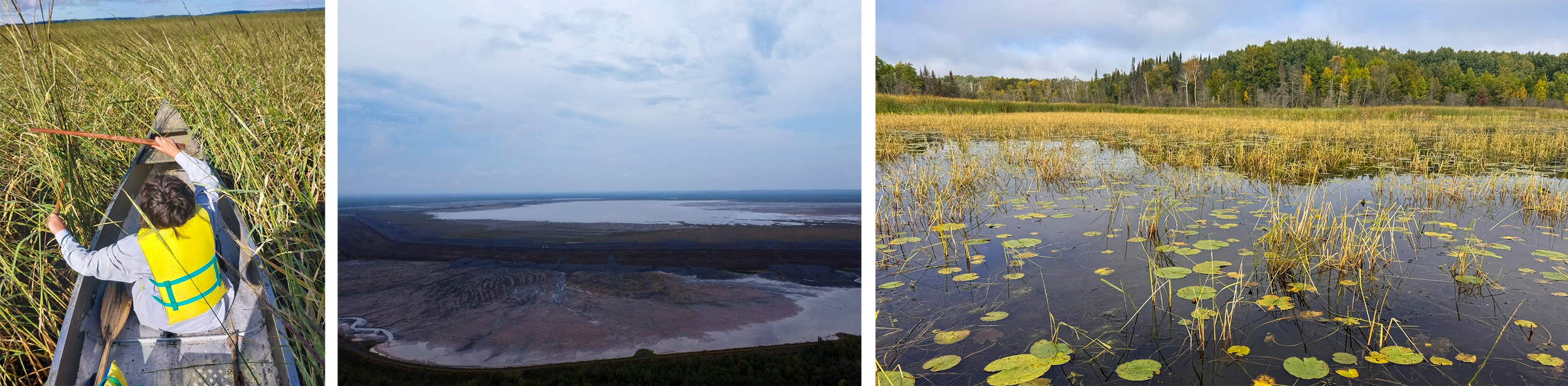
Wild Rice on Leech Lake September 7, 2025. This is what healthy and abundant rice looks like.
Keetac Mine: Photo courtesy of the wldflwrgrp
Hay Lake First Wild Rice, downstream of Keetac Photo courtesy of Wldflwrgrp.
Addressing the Pesticide Problem:
-
Pesticides that harm our ecosystems, our wildlife, and our children do not belong in our waterways. Bringing this issue to the forefront is critical at a time when we are witnessing pollinators disappear at alarming rates.
Harmful pesticides are a massive problem for the waterways in our state. One report by the National Resources Defense Council confirms that, over the 12 years of MDA sampling data available, 95% of the frequently sampled (i.e., 10 or more) flowing-water sites had at least one neonic chemical, and 87% of the sites showed a mixture of two or more neonic chemicals.” “The U.S. Environmental Protection Agency predicted that continued, unchecked neonic use will likely push more than 200 threatened and endangered species toward extinction. The thin neonic coating on just one small corn seed can contain enough active ingredient to kill a quarter million bees or more. Research links neonics to neurological, developmental, and reproductive harms, including birth defects of the heart and brain.” (NRDC Factsheet)
“A 2022 paper found neonics in the bodies of more than 95 percent of pregnant women tested across the country, with levels rising higher and higher over the four-year study.” (NRDC)This problem is impacting not only our health but the health of unborn children. “Pregnant women exposed to neonics can pass on those chemicals: Studies report that neonics can pass through the human placenta directly to the developing fetus. In a small study of children, neonics have been measured in the fluid of the brain and spinal cord, in blood, and in urine, indicating that children are exposed to neonics and that the pesticides can gain access to sensitive neural organs and tissues.” (NRDC FACTSHEET) A consumer watch group Friends of the Earth, has even found pesticides in baby food. A parent sitting down to feed their baby with the most-polluted jar tested would be unknowingly feeding their child 18 different toxic pesticides.
Pesticides are not part of a healthy food system; they are the opposite. They poison our waters, our original foods, and our children. The Minnesota Department of Natural Resources uses a glyphosate-based product to control invasive species—even in lakes that contain wild rice—and applies it by aerial application. This is dangerous and unacceptable.
-
Using it in manoomin lakes is an example of trying to solve one problem by creating another: landscapes contaminated with chemicals, ecosystems destabilized, and the integrity of our traditional food sources undermined.
And even if chemical treatment temporarily knocks an invasive species back, unless the ecosystem is restored and something healthy is put in its place, the invasive species will simply return. This approach creates a cycle of yearly chemical applications—a cycle of pollution that harms wild rice, disrupts ecological balance, and threatens the health of the people who depend on manoomin.
-
The International Agency for Research on Cancer has classified glyphosate as a potential carcinogen, and this chemical is at the center of class-action lawsuits across the United States. Companies responsible for its production have already paid out billions of dollars to victims who developed cancer after exposure. This is not a substance that should be anywhere near manoomin waters—or any waters our children depend on.
Tribes are leading the way in addressing invasive species without relying on harmful chemicals. And some tribes have ordinances banning the use of pesticides within their boundaries. Invasive species can be managed respectfully, and chemical treatment should never be the first option—or an option at all.
A respectful, ecological approach looks at the whole system—how to heal it, how to use what is already present, and how to avoid causing more harm. Mechanical removal and cultural and agricultural use of invasives offer a solution grounded in responsibility and traditional knowledge, not in repeated cycles of chemical contamination.
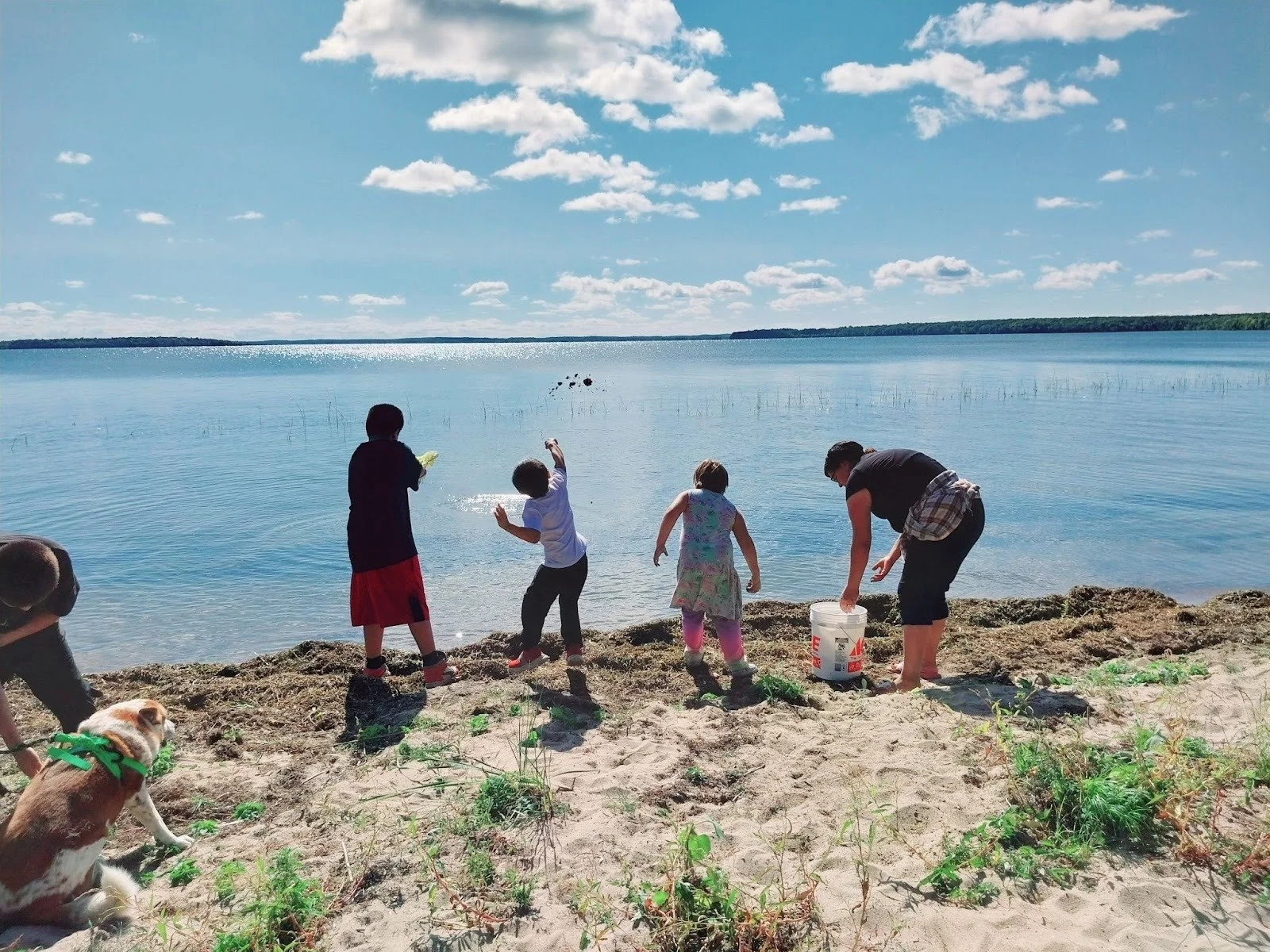
By finding alternative uses for invasive species and exploring new creative ways to restore our natural ecosystems, we can protect our waterways and ensure that the people who rely on manoomin are not exposed to toxins.
Removal of Invasive Species
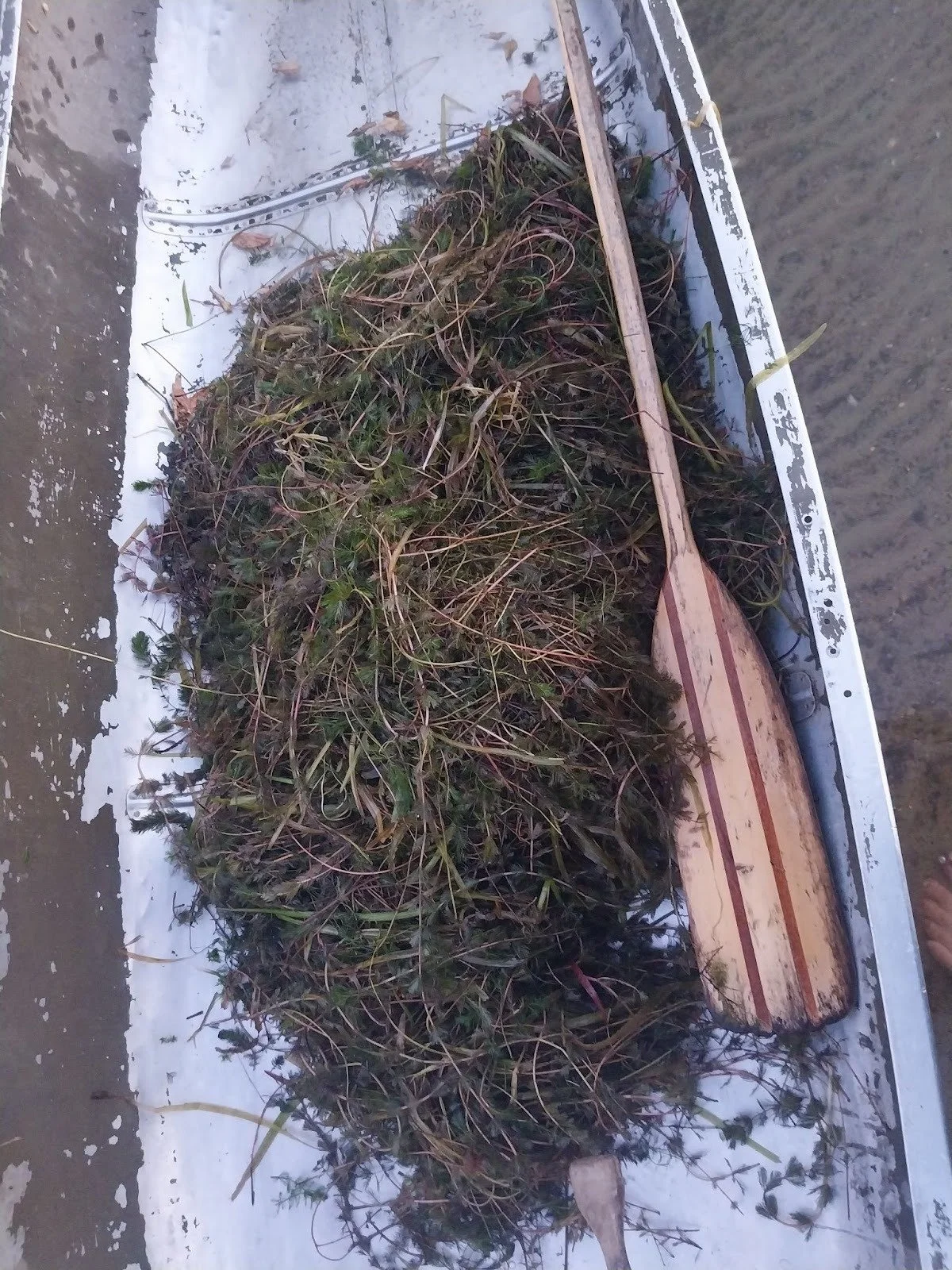
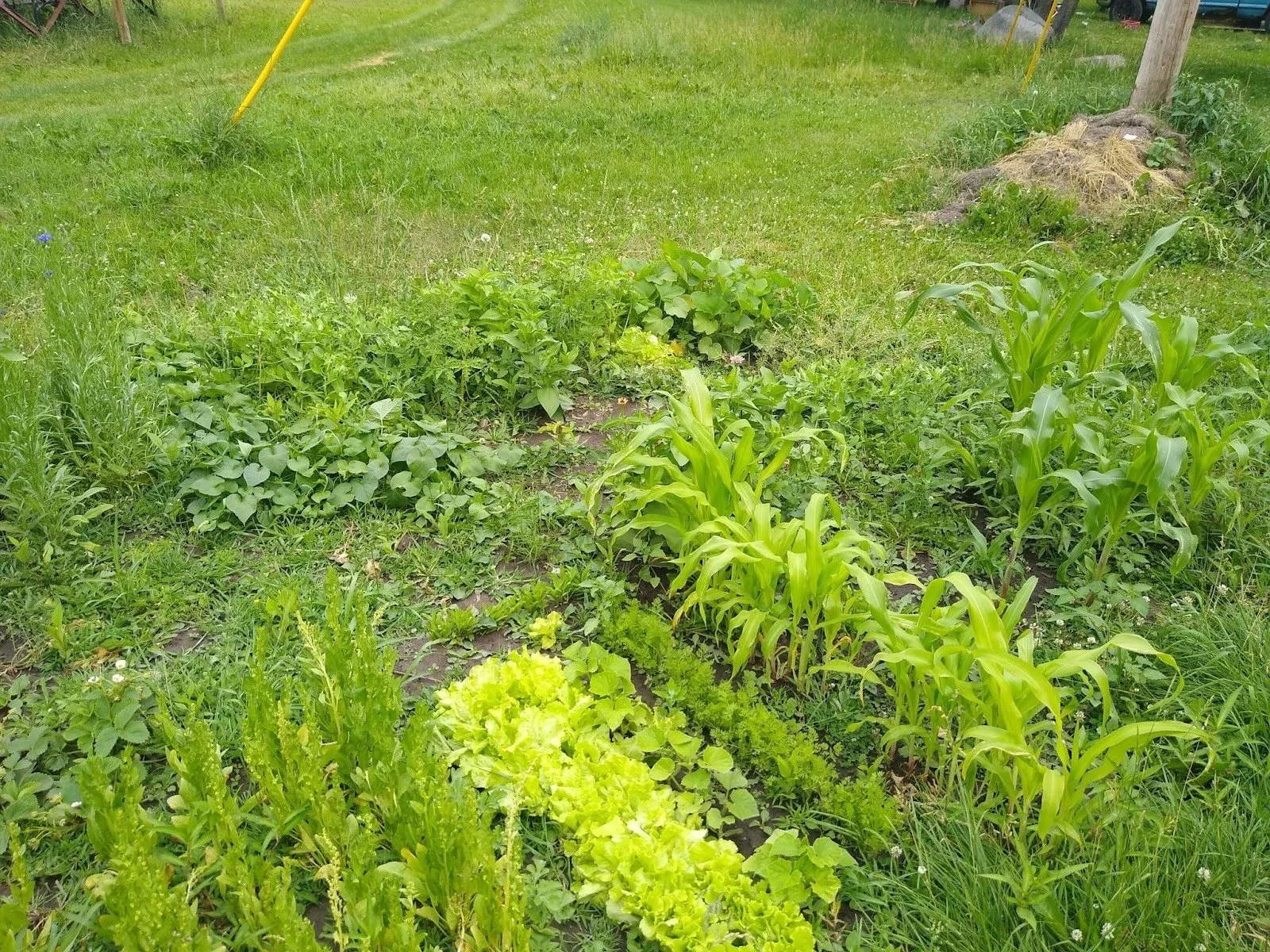
“Removal of Invasive species using mechanical (non-chemical) methods, reseeding of manoomin, and composting the invasive plants (which are high in nitrogen) to create nutrient-rich fertilizers offers a closed-loop system that allows for invasive plants to be used respectfully and creates a path that does not involve chemicals. It also strengthens our food systems on multiple levels.”
Leech Lake Tribal College, Leech Lake Band of Ojibwe Division of Resource Management, works in partnership to create a pathway to address invasives with funding from the Minnesota Department of Agriculture –Protecting manoomin for the Next Seven Generations.
Boating Restriction:
-
The request is simple: avoid driving boats through a vital food source. Just as no one is permitted to drive through a farmer's cornfield, the same respect should be shown to our tribal food sources. The state’s actions last year made it clear that treaty rights were not placed first in decision-making. This must change. Protecting wild rice is not only a cultural responsibility; it is a legal requirement.
-
If your boat is in or near wild rice, stop the motor and coast, push, or paddle through. Our people have paddled for generations; it’s good exercise and can make a real difference for the health of our wild rice beds. There isn’t really an enforcement mechanism here; it is mainly an educational statute that asks boaters to be good neighbors to the First Nations in Minnesota, just as we are good neighbors to them.
-
Wild rice is very sensitive when it is in the floating leaf stage; massive waves from wakes can harm the growth of wild rice during this vital stage. Wake boats are becoming common in Minnesota. These boats stir up the lake floor and create problems for aquatic plants. Requiring that boats be respectful and responsible in our waters is not a big ask. Go slow near the shore, avoid creating massive wakes near wild rice, and be safe.
-
Wild rice absorbs excess nutrients and turns them into a nutrient-rich food source, which our people then harvest. Taking excess nutrients out of our waters is important in this moment, as they lead to overgrowth of algae, creating toxic waters and areas that are devoid of oxygen, which can lead to fish kills. Protecting wild rice supports the health of the fishing industry, which generates 4.4 billion in annual revenue and fuels 28,000 jobs. Wild rice also produces oxygen, which fish need to survive. Having this plant in our waters plays a central role in protecting Minnesota’s fishing and tourism industries by keeping our waters healthy.
-
This legislation will seek to create a respectful coexistence between two cultures that is currently missing in Minnesota, while highlighting that treaty-reserved rights are essential to protecting the web of life. These rights must be respected and protected for future generations, just as our ancestors intended.
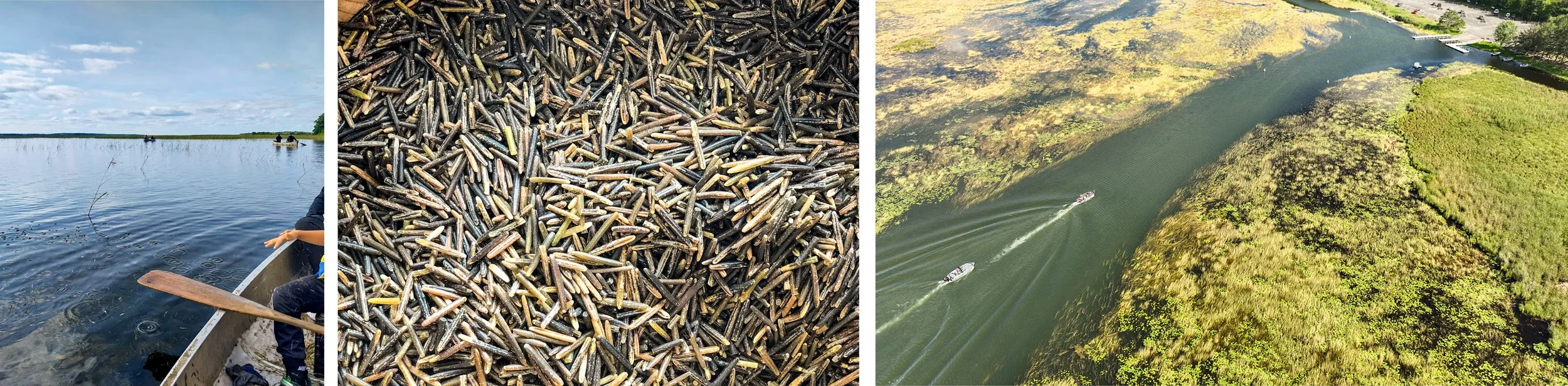
Photo: Wild Rice reseeding on Leech Lake. Caring for the lands and waters just as they care for us.
Photo from Leech Lake Aerial view. Federal Dam Wild Rice Bed
State Protections for Wild Rice in Wisconsin, Michigan, and Minnesota:
Learning from one another in the Great Lakes Region
Wisconsin, Michigan, and Minnesota provide state-level protections for wild rice, although the scope and mechanisms of protection differ. Wisconsin recognizes wild rice through harvesting regulations and limited habitat protections, particularly in designated wild rice waters and wetlands.
Michigan, where wild rice is classified as a threatened species, provides broader protections under its endangered species laws, prohibiting the taking, possessing, or destruction of wild rice.
Both Wisconsin and Michigan have statewide stewardship projects to help protect and restore wild rice. Minnesota has a unique water quality standard that is set to protect wild rice from sulfate pollution, which is set at 10mg/L. In 2025, Minnesota will finally begin to enforce this standard.
Minnesota also has harvesting regulations and some habitat protections. All of these states are home to the majority of the wild rice in the United States. Working together and learning from one another's protections in this moment can help us ensure this plant remains for the next generations.
